The warning signs, the real causes, and a genuine recovery roadmap for home care and senior care professionals who are running on empty
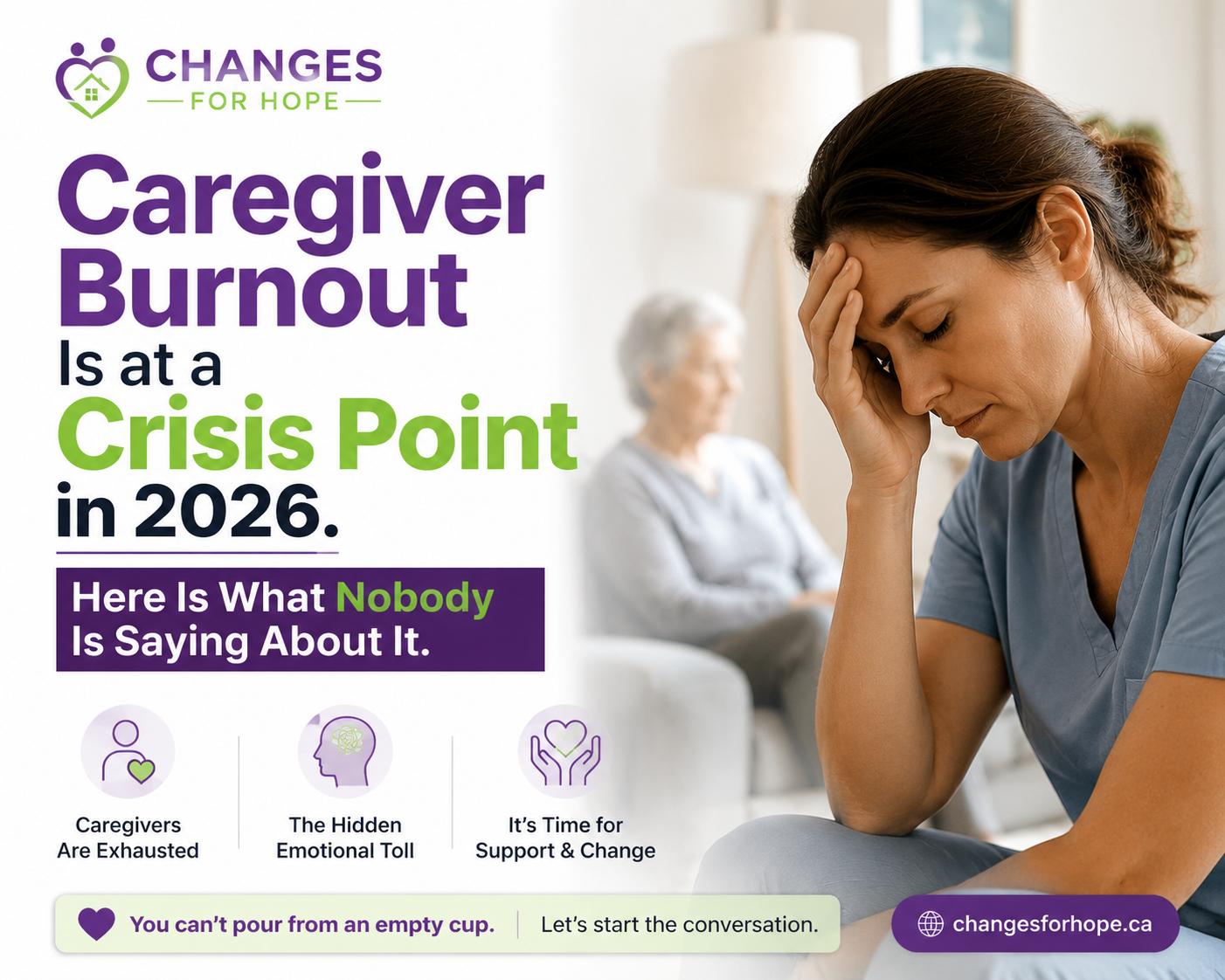
⚡ Quick Answer — What Is Caregiver Burnout and How Do You Know If You Have It? Caregiver burnout is a state of physical, emotional, and mental exhaustion caused by the sustained demands of providing care — compounded by inadequate support, poor work-life boundaries, and insufficient recovery time. In 2026, over 61% of professional home care and senior care workers in North America report moderate to severe burnout symptoms. The three primary warning signs are: persistent emotional exhaustion that sleep does not fix, growing detachment or cynicism toward the people you care for, and a declining sense of personal accomplishment despite continued effort. Burnout is not a personal weakness — it is a systemic problem that requires systemic solutions, starting with better support structures, scheduling flexibility, and professional community.
This Is the Conversation the Home Care Industry Needs to Have Right Now
If you are a home care worker, personal support worker, senior care professional, or healthcare aide reading this there is something important you need to hear before anything else:
What you are feeling is not weakness. It is not ingratitude. It is not a sign that you chose the wrong career. It is the predictable, documented, physiological result of doing one of the most demanding jobs in existence without adequate support — and it is happening to caregivers everywhere in 2026.
The data is clear. Caregiver burnout has reached crisis levels across North America. The home care sector — already stretched thin by an aging population, staffing shortages, and post-pandemic workforce disruptions — is now grappling with a retention emergency driven almost entirely by burnout that went unaddressed for too long.
This article is not a list of generic wellness tips. It is a real, evidence-based look at what caregiver burnout actually is, why it is getting worse in 2026, how to recognize it in yourself before it becomes a breaking point, and what genuinely helps — including what platforms like MyCareConnect360 are doing to support the professionals who make home care possible.
The 2026 Caregiver Burnout Crisis — What the Data Actually Shows
The numbers tell a story that the industry cannot afford to ignore any longer:
61% of professional home care workers report moderate to severe burnout in 2026 — up from 44% in 2022
1 in 3 senior care professionals report considering leaving the profession entirely within the next 12 months
$7.7B estimated annual cost of caregiver turnover to the North American home care industry
34% of home care clients in 2026 report disruption to their care due to caregiver turnover or unavailability
47% of caregivers report that their employer provides insufficient mental health or burnout support
These are not abstract statistics. They represent real professionals — PSWs, home health aides, companion caregivers, senior care coordinators — who entered this field because they genuinely wanted to help people, and who are now running on reserves they no longer have.
The home care industry is facing a workforce crisis. But the workforce crisis is a burnout crisis in disguise. Fixing one requires honestly addressing the other.
Join MyCareConnect360 — The Platform Built for Home Care Professionals
The Warning Signs of Caregiver Burnout — What to Watch For in Yourself
Burnout does not arrive suddenly. It builds. And because caregivers are conditioned to prioritize others, they often recognize the warning signs in the people around them long before they acknowledge them in themselves. Here are the signs — organized by how they typically progress:
Stage 1 — Early Warning Signs (Often Dismissed)
🟡 Feeling tired at the start of your shift even after a full night of sleep
🟡 Small frustrations that used to roll off you now feel disproportionately large
🟡 Reduced satisfaction from moments that used to feel meaningful — a client’s smile, a recovery milestone, a thank-you
🟡 Increasing reliance on caffeine, food, or scrolling to get through the day
🟡 A low-grade sense of dread before going into a shift that was not there before
Stage 2 — Moderate Burnout (Needs Attention Now)
🟠 Persistent emotional exhaustion that weekends and days off do not fully resolve
🟠 Growing emotional distance from clients — going through the motions rather than being present
🟠 Increased cynicism or irritability in conversations with colleagues or supervisors
🟠 Physical symptoms — headaches, disrupted sleep, digestive issues, lowered immunity
🟠 Avoiding thinking about work on days off because it triggers anxiety or dread
🟠 Feeling invisible — doing the work without feeling seen, valued, or adequately supported
Stage 3 — Severe Burnout (Requires Immediate Action)
🔴 Emotional numbness — feeling detached not just from work but from relationships and activities you normally enjoy
🔴 Depressive symptoms — persistent low mood, hopelessness, difficulty finding motivation outside of work
🔴 Considering leaving the profession entirely despite genuinely caring about your clients
🔴 Physical breakdown — illness, injury, or chronic pain that your body is no longer recovering from
🔴 A sense that you have given everything and there is nothing left to give
If you are reading Stage 3 and recognizing yourself — please know that this is a medical and professional situation that deserves real support, not just a long weekend. Reaching out is not quitting. It is the most professional thing you can do.
Why Caregiver Burnout Is Worse in 2026 Than It Has Ever Been
Burnout in caregiving is not new. What is new is the combination of pressures converging simultaneously in 2026 that have pushed an already-demanding profession past sustainable limits:
1. The Senior Care Demand Surge
Canada’s baby boomer generation is now fully in the 70-plus age bracket — the highest-need demographic for home care and senior care services. Demand for professional caregivers has increased by over 35% since 2020, while the workforce has grown at less than half that rate. The math creates a permanent state of overextension for existing workers.
2. The Staffing Shortage Multiplier
Chronic understaffing means that when one caregiver calls in sick, their clients do not go without care — their colleagues absorb the load. Over time, this creates a culture of guilt-driven overwork where taking a day off feels irresponsible and setting limits feels selfish. Neither is true. Both are symptoms of a broken system.
3. Emotional Labour Without Recognition
Home care and senior care work involves an intensity of emotional labour that is rarely acknowledged in compensation, scheduling, or workplace culture. Caregivers form genuine bonds with clients. They witness suffering, decline, and death with a regularity that most people never experience. Without structured emotional processing support, this accumulates into what trauma researchers call compassion fatigue — a specific form of burnout unique to helping professions.
4. Isolation in the Field
Unlike hospital-based healthcare workers who have immediate colleagues, team huddles, and visible management support, home care workers often work alone — in a client’s home, without peer interaction, without real-time supervision support, and without the informal community that office-based work provides. This professional isolation compounds every other stressor.
5. Technology Burden Without Technology Benefit
Scheduling apps, care documentation platforms, and compliance reporting have added administrative workload to caregivers without proportionately reducing their physical or emotional workload. Many caregivers describe spending 20 to 30 minutes per shift on documentation that feels disconnected from the actual care they provide.
What Actually Helps — Evidence-Based Recovery Strategies for Caregiver Burnout
Let us be direct about something: bubble baths and breathing apps do not fix caregiver burnout. They can be part of a recovery toolkit, but they do not address the structural causes. Here is what the research actually supports — in order of impact:
1. Reduce Isolation — Community Is Not Optional, It Is Clinical
Peer connection is one of the most consistently supported interventions for caregiver burnout in the research literature. Caregivers who have regular access to professional community — colleagues who understand the specific demands of home care work — show significantly lower burnout scores than those who work in isolation. This is not about socializing. It is about having people who understand your experience without explanation.
Platforms like MyCareConnect360 exist precisely to solve this — connecting home care and senior care professionals to a community, to resources, and to opportunities that reduce professional isolation.
2. Reclaim Scheduling Control
One of the strongest predictors of burnout severity in caregiving is the perceived lack of control over one’s schedule. Caregivers who have input into their hours, client assignments, and workload distribution report dramatically lower burnout rates than those who feel entirely subject to scheduling decisions made without their input.
This means advocating for yourself with employers, using platforms that offer flexible placement options, and recognizing that protecting your schedule is not selfishness — it is sustainability.
3. Name the Emotional Labour
Compassion fatigue and caregiver burnout improve significantly when the emotional dimension of the work is explicitly acknowledged — by the caregiver themselves, by their employer, and by their support network. Journaling, structured debriefs after difficult client situations, and peer processing conversations all reduce the accumulation of unprocessed emotional weight that becomes burnout over time.
4. Set a Physical Recovery Minimum
Burnout has a physiological component — chronically elevated cortisol, disrupted sleep architecture, and suppressed immune function — that requires physical as well as psychological intervention. The research-supported minimum for physical recovery includes 7 to 8 hours of sleep, at least 150 minutes of moderate movement per week, and at least one full day per week with no work-related responsibilities or communications.
These are not luxury recommendations. They are the biological floor below which sustained high performance in a caregiving role is not possible.
5. Reconnect With Why You Started
One of the most consistent findings in caregiver burnout recovery research is that reconnecting with original motivation — the reason a person entered the caregiving profession — is a significant predictor of recovery. This does not mean forcing positivity in a difficult moment. It means, when the immediate crisis has stabilized, intentionally revisiting the values and experiences that made this work meaningful in the first place.
6. Get Professional Support When You Need It
Caregiver burnout at moderate to severe levels is a mental health situation that benefits from professional support — a therapist, counsellor, or employee assistance program with experience in healthcare worker burnout. Seeking this support is not a sign of inadequacy. It is the same evidence-based self-care that caregivers recommend to their clients’ families every day.
Caregiver Burnout by the Numbers — 2026 Snapshot
| Metric | 2026 Data |
| Home care workers reporting burnout symptoms | 61% (moderate to severe) |
| Increase in burnout rates since 2020 | +38% |
| Caregivers considering leaving the profession | 1 in 3 within 12 months |
| Average tenure of home care worker before burnout | 2.8 years |
| Caregivers with access to mental health support at work | Less than 30% |
| Improvement in retention with peer support programs | Up to 47% reduction in turnover |
| Caregivers who say flexible scheduling reduces burnout | 78% report significant impact |
| Average recovery time from severe burnout with support | 3 to 6 months with structured intervention |
Caregiver Burnout — Most Asked Questions in 2026
Q: How do I know if I have caregiver burnout or just a bad week?
A: The key distinction is duration and recovery. A bad week resolves with rest — you feel better after a day off. Caregiver burnout persists and deepens regardless of rest. If you have felt emotionally exhausted, detached from your work, or like your effort no longer makes a difference for more than 2 to 3 weeks consistently, that is burnout rather than temporary stress. Other indicators include physical symptoms that are not resolving, growing cynicism toward clients or colleagues, and a sense of dread before shifts that used to feel meaningful.
Q: Can you recover from caregiver burnout while still working?
A: Yes, in most cases — but it requires structural changes, not just self-care practices. Recovery while working requires reducing your total care load where possible, adding peer support and professional community, setting firm off-hours boundaries, and addressing the specific stressors driving burnout rather than simply managing symptoms. For severe burnout, a period of reduced hours or leave may be necessary. The earlier you address it, the more options you have.
Q: What is the difference between caregiver burnout and compassion fatigue?
A: Burnout is caused by chronic workplace stress — workload, lack of control, insufficient support, poor work-life balance. Compassion fatigue is caused specifically by the emotional demands of empathic caregiving — absorbing the suffering, grief, and trauma of the people you care for. They often co-occur in home care and senior care professionals. Both require acknowledgment and support, but compassion fatigue specifically benefits from structured emotional processing — peer debriefs, supervision, and professional counselling.
Q: How does MyCareConnect360 support caregivers experiencing burnout?
A: MyCareConnect360 connects home care and senior care professionals with a community of peers, flexible placement opportunities, and resources designed to reduce the isolation and structural stressors that drive burnout. By giving caregivers more control over their placement, scheduling, and professional development, the platform addresses burnout at its structural roots rather than just its symptoms.
Q: What should I do if my employer is contributing to my burnout?
A: Start by documenting your concerns specifically — workload, scheduling, lack of support — rather than describing how you feel generally. Request a formal conversation with your supervisor or HR representative. If internal resolution is not possible, explore your options: professional associations, labour boards, or placement through a platform like MyCareConnect360 that gives you access to more flexible and supportive work arrangements. You do not have to stay in a situation that is damaging your health.
How MyCareConnect360 Is Built Around Caregiver Wellbeing
MyCareConnect360 was built with one core understanding: the quality of care that seniors and home care clients receive is directly connected to the wellbeing of the professionals providing it. You cannot pour from an empty cup — and an industry that burns through its workforce is not a sustainable or ethical care system.
That is why MyCareConnect360 is designed to give home care and senior care professionals what the traditional staffing model has consistently failed to provide:
✅ Flexibility — access to placements that fit your life, not the other way around
✅ Community — connection with other home care professionals who understand your experience
✅ Control — more input into where, when, and how you work
✅ Visibility — being seen as a skilled professional, not a commodity to be scheduled and replaced
✅ Support — resources that address the real challenges of home care work including burnout prevention
✅ Opportunity — pathways to grow, develop, and build a sustainable career in senior care
If you are a home care or senior care professional who is burned out, under-supported, or simply looking for a better way to work — MyCareConnect360 is built for you. Not for the system. For you.
You Chose This Work Because You Care. That Matters — And So Do You.
Home care and senior care professionals carry something that cannot be taught in a training program or measured in a performance review — a genuine willingness to show up for people at their most vulnerable, to provide dignity and comfort and connection when it matters most.
That quality of person deserves a profession that gives back. That deserves support structures that actually work. That deserves a platform that treats caregivers as the skilled, compassionate professionals they are.
Burnout is not the end of your story in this profession. With the right support, the right community, and the right work environment, it can be the turning point that leads to a career that is sustainable, meaningful, and genuinely rewarding.
You give care every day. MyCareConnect360 is here to make sure you receive it too.
Join MyCareConnect360 — The Platform Built for Home Care Professionals
Connect with flexible placements, peer community, and real support for your career and wellbeing.
➡ Join free at mycareconnect360.com